Consort Wu's Outer Coffin
Overview
Consort Wu's Outer Coffin is an ancient cultural relic from the Tang Dynasty (618-907), linked to Consort Wu, one of the wives of Emperor Xuanzong. The outer coffin, crafted from stone, served a protective role for the inner wooden coffin. Its historical significance and intricate craftsmanship, which includes detailed carvings of lotuses and animals, make it a valuable artifact of the Tang Dynasty.
Historical Context
Consort Wu lived during the Tang Dynasty, a period noted for its cultural and artistic advancements. Emperor Xuanzong's reign is often seen as a high point of Chinese civilization, characterized by flourishing arts, culture, and trade. Coffins from this period often reflected the status and wealth of the deceased, with elaborate designs meant to honor the individual's life and ensure a peaceful afterlife.
Theft and Recovery
In a notorious case of cultural theft, Consort Wu's outer coffin was stolen and smuggled overseas. The theft underscored the ongoing threat to cultural heritage posed by illicit trade and tomb raiding. It took Chinese law enforcement six years to locate and recover the coffin, marking a significant triumph against cultural relic theft. This recovery effort highlights the dedication and challenges faced by authorities in protecting national treasures.
Cultural Impact
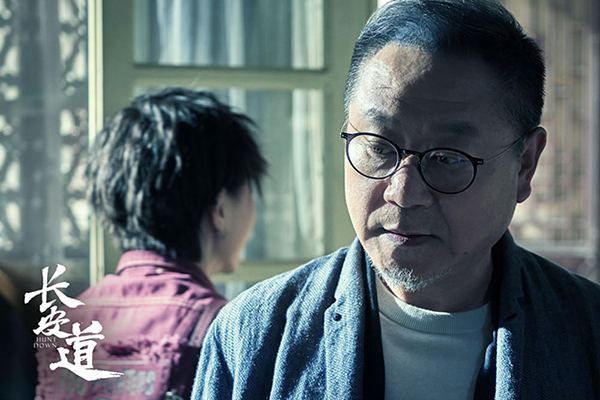
The story of Consort Wu's outer coffin and its recovery has inspired media portrayals, including the film "Hunt Down." This movie, adapted from Hai Yan's novel "The Thief in Chang'an," dramatizes the police efforts to track down the stolen artifact. Directed by Li Jun, the film features a cast that includes Song Yang, Jiao Junyan, Fan Wei and Chen Shu, who bring the story to life, highlighting the complexity and intrigue of cultural relic recovery.
Film Adaptation: Hunt Down
"Hunt Down" not only entertains but also educates audiences on the importance of preserving cultural heritage. By creating a real-life replica of Consort Wu's outer coffin for the film, the producers have provided viewers with an opportunity to appreciate the artistry of the Tang Dynasty. The film held its premiere at the People's Public Security University of China, emphasizing the collaboration between the film industry and law enforcement in raising awareness about the protection of cultural relics.
Artistic Significance
The designs on Consort Wu's outer coffin, such as the carvings of lotuses and animals, are representative of Tang Dynasty art, known for its rich symbolism and intricate details. The lotus often symbolizes purity and spiritual enlightenment in Chinese culture, while animal motifs might represent various protective or auspicious meanings. The craftsmanship of the coffin reflects the artistic skills and cultural values of the period, making it a critical piece for understanding Tang Dynasty funerary practices.
Preservation and Display
Following its recovery, Consort Wu's outer coffin serves as a reminder of the need for diligent preservation efforts. Cultural relics like this coffin are vulnerable to neglect and illegal trafficking, necessitating continuous efforts for their protection. Museums and cultural institutions play a vital role in safeguarding these artifacts, providing access to the public and ensuring that these pieces of history are preserved for future generations.
Legal and Ethical Issues
The theft and subsequent recovery of Consort Wu's outer coffin underline significant legal and ethical issues surrounding cultural artifacts. The international trade of cultural relics often involves complex legal frameworks that vary by country. Efforts to repatriate stolen items require cooperation between nations and compliance with international treaties. This case highlights the need for stringent law enforcement and international collaboration in the fight against cultural property crimes.
Future Implications
The story of Consort Wu's outer coffin opens discussions on the broader implications for cultural heritage protection. As global awareness of cultural preservation grows, there is an increased emphasis on creating policies that ensure the security and integrity of cultural sites and artifacts. The lessons learned from past recoveries can help shape future strategies to prevent cultural heritage theft and promote responsible stewardship of historical treasures. Article reference1. 'Hunt Down', tale of stolen coffin, opens this week. chinadaily.com.cn. 2019Photo Gallery(3 pictures)CategoriesCultural HeritageTagArchaeological DiscoveryTangible Cultural HeritageCatalogue1. Overview2. Historical Context3. Theft and Recovery4. Cultural Impact5. Film Adaptation: Hunt Down6. Artistic Significance7. Preservation and Display8. Legal and Ethical Issues9. Future Implications- - - []








